
Meet the Flute Maker
Steven Tervort · Utah · making branch flutes since the early 2000s
How it started
My first flute came off eBay in the early 2000s. Pine, from a maker with a decent reputation, and it taught me what you get for your money. It made sound. But getting a note to sit in tune took real work.
I am a musician before I am a woodworker. Guitar, piano, violin, all of it by ear, which means anything out of tune drives me up the wall. And it occurred to me that whoever sold me that flute was turning out hundreds a week. If that was the standard, I could make a few at a time and get them right.
The first one fought back
I read everything I could find about the Native American flute. The history, how they were built, the styles and the tunings. Then I came across people making them out of branches, and that was the end of the hardware store for me.
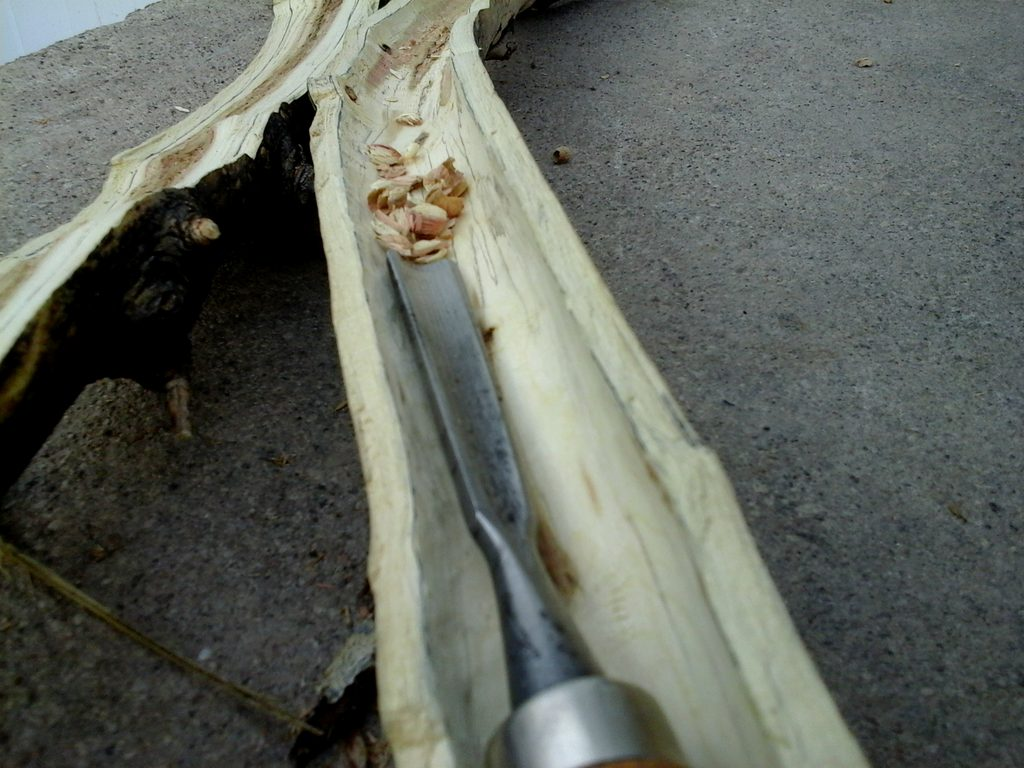
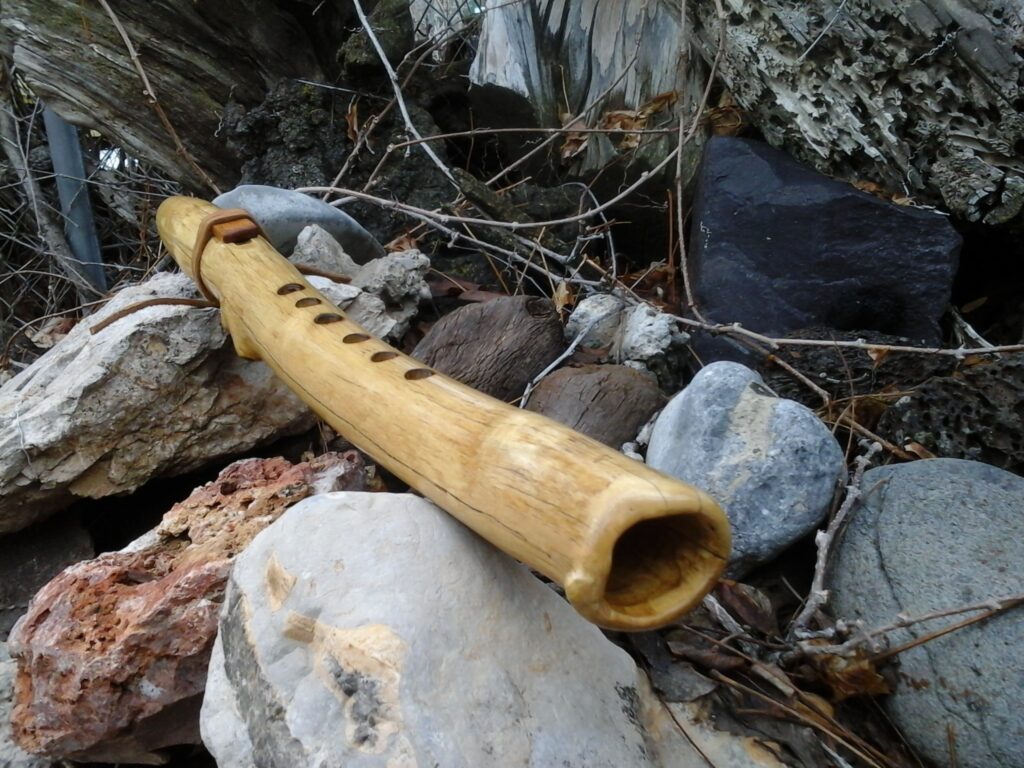
So my first flute was a branch. I went up in the mountains, found a boxelder limb that looked right, took out my pocket knife, and went to work.
It took a very long time. The first lesson was to carve with a sharp knife. The second, learned immediately after, was to pick a wood that is not so hard. The boxelder fought me the whole way, and there were plenty of moments where I wanted to give up on it. The third lesson was that a set of gouges is not optional. They would have saved me a week, and once I had them everything got easier.
It played better than the pine flute I bought on eBay, which surprised me. I still have it, and it is a decent reminder of how far there was to go.
Where the wood comes from
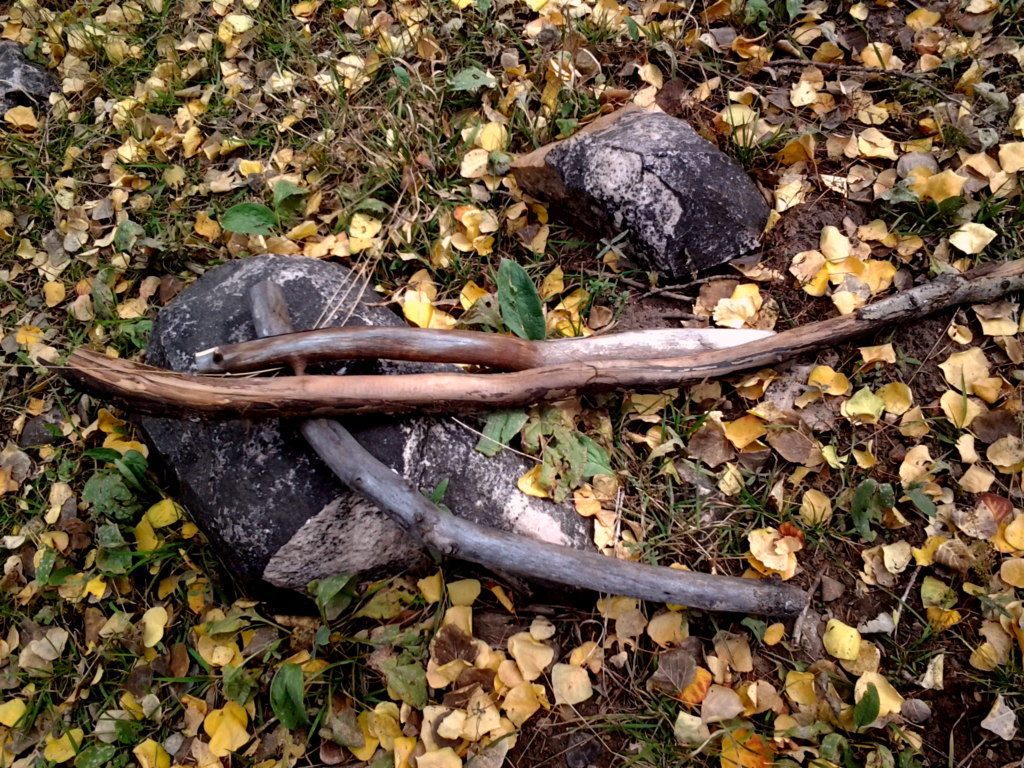
I do not buy wood. I scavenge most of it on camping trips, and a fair amount comes out of the pile of sticks somebody set aside for the fire. While everyone else is watching it burn, I am usually thinking, man, I wish I had saved that one.
I like woods you cannot buy. Boxelder, Rocky Mountain maple, Russian olive, aspen, even sagebrush. I have made flutes out of sunflower stalk. There is something in taking a thing worth nothing at all and turning it into something somebody keeps for the rest of their life.
Why I stopped, and why I am back
I stepped away from flute making for about seven years. I went back to school, then spent years in public accounting, and there was not much left in the week for standing at a bench. We were moving around a fair bit too, so I never had the chance to set up a proper shop.
I never really put it down, though. On family camping trips I would carve little whistles and flutes for my nieces and nephews, and the whole time I wanted to get back to making them properly.
That changed this year. Fewer hours at a new job, settled in a new house, shop finally set up the way I want it. It has been good to work with my hands again.
My promise
Branch flutes are fickle. One minute you have a well-tuned instrument, and one small change later it is breathy, or it overblows where it should not.
Every flute I list is one I enjoy playing. If I do not like the sound, do not like the tuning, or do not like the way it looks, it does not get sold. A lot of them end up in the fire or the dumpster. The ones that make it out carry my signature and a number, and they are the best sound I could get that particular branch to make.
And if it is not right for you, send it back. I would rather you enjoy owning the flute as much as I enjoyed making it, and if it does not fit, for whatever reason, I am happy to take it back.